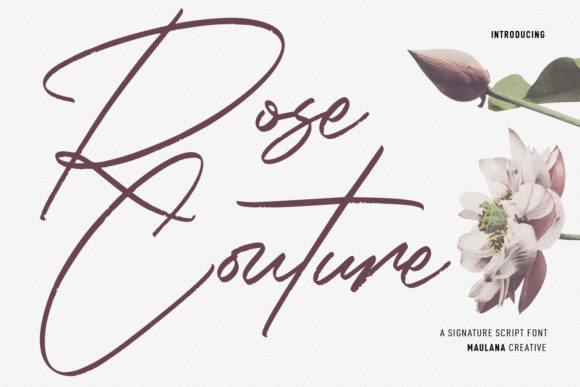
Siffa: A Handwritten Font for Creative Makers
I was designing a set of candle labels one afternoon, trying to find the perfect font that would give my products a touch of elegance without feeling too formal. That’s when I stumbled upon Siffa—a modern handwritten font with a soft, flowing personality that immediately felt like it belonged in my creative space.
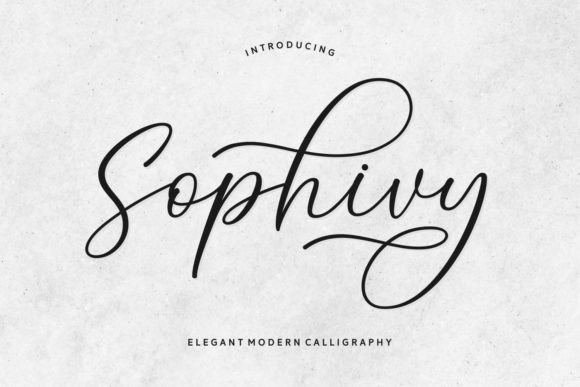
Siffa has this unique charm, almost like someone wrote it with a fountain pen on aged paper. It’s not too ornate, but it carries a sense of luxury and warmth that makes it ideal for handmade items. The curves are smooth, the letters have a natural rhythm, and it feels inviting, as if it were meant to be seen by hand rather than typed on a keyboard.
Bringing Siffa to Life on Handmade Products
I started experimenting with Siffa right away. First, I used it on my candle labels. The font added just the right amount of sophistication, making each label feel special. I then moved on to greeting cards, where Siffa’s softness gave the designs a personal, heartfelt touch. Even on my planner pages, it helped create a more organic and approachable look.
The font works beautifully on small stickers, too. I created a set of seasonal tags using Siffa for my boutique packaging. Each tag had a different holiday message, and the font made them feel handcrafted and meaningful. It also looked great on tote bags and shirts—especially when paired with a clean sans serif font for balance.
Using Siffa for Branding and Design Projects
Siffa is incredibly versatile. I’ve used it for wedding invitations, where its elegant style complemented the overall theme perfectly. For farmhouse signs, it brought a cozy, rustic feel that matched the decor. And on digital printables, like wall art or planner templates, it gave the designs a sense of creativity and authenticity.
One thing I love about Siffa is how well it pairs with other fonts. When I needed a contrasting type for headings, I used a bold display font alongside Siffa for a layered effect. For body text, a simple serif font worked best, allowing Siffa to stand out while keeping the design readable and professional.
It’s important to check what styles, alternates, ligatures, and weights come with Siffa before finalizing any project. I always make sure the font supports the languages I need and that I have the proper commercial license, especially when creating products for sale or digital downloads.
Design Tips for Using Siffa
When working with Siffa on small items like stickers or product labels, readability is key. I found that spacing the letters slightly apart helps maintain clarity, especially when the text is tiny. For mockup previews or listing images, I often use a clean background to let the font shine.
If you're using Siffa for cutting machines like Cricut or Silhouette, test it first on a sample piece of material to ensure it cuts cleanly. I also recommend checking how the font looks in different sizes and formats, such as SVG or PNG, depending on your needs.
For longer text, like packaging descriptions or shop signage, I usually pair Siffa with a simpler font to avoid overcrowding the design. This keeps the visual hierarchy clear and ensures the message remains easy to read.
Real-World Applications of Siffa
I’ve used Siffa on everything from boutique tags to mug designs. It adds a personal touch that elevates the product and makes it feel more thoughtfully made. On wedding welcome boards, it helped set a warm and inviting tone. And for holiday tags, it gave the designs a festive yet refined look.
In my shop, I now offer a few digital printables featuring Siffa, including printable wall art and planner pages. Customers love how the font gives the designs a unique character that stands out from mass-produced items.
Siffa has become a staple in my creative toolkit. Whether I’m designing for physical products or digital downloads, it consistently brings a sense of elegance and warmth to my work. Its versatility, readability, and aesthetic appeal make it a go-to choice for any handmade or printable project.